Metabolic dysfunction-associated steatotic liver disease (MASLD)
Metabolic dysfunction-associated steatotic liver disease (MASLD) is a very common problem where fat builds up in the liver. It is often linked to being overweight and conditions such as type 2 diabetes. MASLD can lead to long-term liver damage and other health issues, but making healthy lifestyle changes can stop or even reverse it.
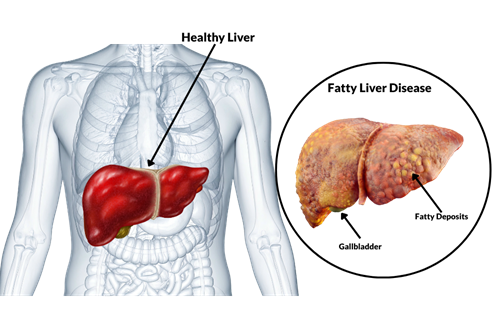
What is MASLD?
Metabolic dysfunction-associated steatotic liver disease (MASLD) is a condition where fat builds up in the liver. It happens in people who also have other health conditions linked to how the body uses and stores energy, such as excess weight, type 2 diabetes, high blood pressure, or high cholesterol and triglycerides. The word “metabolic” refers to the way your body uses and stores the energy from the food you eat. MASLD was previously known as non-alcoholic fatty liver disease (NAFLD).
The good news is that MASLD can often be improved and sometimes even reversed. Losing weight (if needed), eating a healthy diet and being physically active can all reduce the amount of fat in the liver. For many people, these changes can stop the condition from getting worse and may even turn it around.
Is MASLD common?
MASLD is very common and the number of people who have it is increasing. Overall, about one in five people in the UK are known to have MASLD. It is even more common in people living with diabetes, especially type 2 diabetes. In the UK, around half to two thirds of people living with type 2 diabetes also have MASLD.
What causes MASLD?
MASLD is most strongly linked to excess weight and type 2 diabetes. However, it can also develop in people who are a healthy weight if they have other risk factors Things that can increase your risk of developing MASLD are:
- Weight in the overweight or obese range
- A high waist measurement
- Type 2 diabetes
- Unhealthy diet
- Physical inactivity
- High blood fats – cholesterol and triglyceride
- High blood pressure
MASLD is also more common in:
- Smokers
- People of Hispanic ethnicity
- People with obstructive sleep apnoea
- Women with polycystic ovary syndrome
- Women after menopause
Can MASLD be prevented?
If you are at risk of MASLD, there is good evidence that it can be prevented by adopting a healthy lifestyle. This includes:
- Eating a healthy diet
- Being physically activity
- Losing weight, if you are within the overweight or obese range
- Stopping smoking may also reduce the risk
Why does having MASLD matter?
MASLD can be linked to several types of health issues;
 Liver problems
MASLD can irritate and damage liver cells. If this worsens, it is called Metabolic dysfunction-associated steatotohepatitis (MASH), previously known as non-alcoholic steatohepatitis (NASH). MASH can progress further by causing scarring of the liver and, in rare cases over many years, liver failure or liver cancer.
 Circulatory problems
People with MASLD are at higher risk of:
- Heart attacks
- Strokes
- Chronic (long-term) kidney disease
 Metabolic problems
MASLD and metabolic issues often affect each other. People with MASLD are more likely to develop type 2 diabetes, and having MASLD can make type 2 diabetes more difficult to control. MASLD is also linked to:
- High blood pressure
- High blood fats (cholesterol or triglycerides)
What are the symptoms of MASLD?
Most people with MASLD or MASH do not have any symptoms. Some people may notice mild signs, such as:
- Fatigue, tiredness or lethargy (although these are common and may not be related to MASLD).
- A dull ache in the tummy (abdomen)
If you have any of the following symptoms, you should contact your healthcare team urgently as they may suggest more significant damage to the liver:
- Yellowness in the eyes or skin (jaundice)
- Swelling of the tummy (abdomen)
- Black tarry poo
- Very dark urine
- Itchy skin over much of the body
How is MASLD diagnosed and monitored?
If your doctor suspects you may have a liver problem, they will first try to find the cause and check for any damage to the liver. This is done by:
- Reviewing your medical history, including:
- Other medical conditions
- How much alcohol you drink
- Medications (including anything you buy over the counter or online products)
- Your diet
- Physical activity levels
- A physical examination
- Blood tests
- Imaging scans.
Diagnosing MASLD can be difficult as often the tests don’t become positive until there has been significant damage to the liver.
Once MASLD is diagnosed, doctor’s will assess how likely it is to progress. This usually starts with blood tests and may be followed by scans if needed. How often someone needs a follow-up will depend on their risk of the condition getting worse.
How is it MASLD treated?
The aims of treatment of MASLD are to:
- Stop or reverse any damage to the liver
- Reduce the risk of related circulatory and metabolic problems.
Currently, there are no medicines that can specifically halt or reverse MASLD. However, there is strong evidence that adopting a healthy lifestyle can stop the condition from getting worse and even help it improve.
What are the lifestyle changes to stop or reverse MASLD?

Weight management
You don’t need to achieve an ideal weight to improve MASLD. Losing 5% or more of your body weight can reduce the build-up of fat in the liver.
For example, if you weigh 100kg (15stone 10 pounds), losing 5kg (about 11pounds) can make a difference. If there is scarring in the liver, research suggests losing around 10% of your body weight may be more effective.
There isn’t one ‘right’ way to lose weight. What matters is finding an approach that feels manageable for you and that you can stick with over time.
If you are already a healthy weight, it is important to avoid gaining extra weight, as this can make MASLD worse.


Diet
There is no single “best” diet or specific foods that you should eat. A balanced diet with a variety of healthy foods can help both manage weight and keep your liver healthy.
A good example is the“Mediterranean” style diet which includes:
- Vegetables
- Olive oil
- Nuts
- Fish and lean meats.
Some foods are best limited or avoided;
- Saturated fat – found in foods such as red meat, processed foods (e.g sausages and pies), butter, cheese, biscuits, cakes and pastries.
- Sugar sweetened drinks or other sources of sugars
Eating a healthy diet is important for everyone, whether you are a healthy weight or living with overweight or obesity.

Physical activity
All types of physical activity and exercise help to keep your liver and body healthy. You don’t need to go to the gym to benefit.
The key is to:
- Reduce the amount of time you spend sitting or lying down
- Choose activities you enjoy that get your heart beating faster and make you breathe a little harder.
Everyday activities also count as physical activity, such as:
- Carrying heavy shopping
- Housework
- Gardening
How much to aim for:
- Try to be active for at least 150 minutes of moderate activity per week (for example, brisk walking, cycling, or swimming)
- Include muscle-strengthening activities at least 2 days per week (e.g., carrying shopping, resistance exercises, or bodyweight exercises)
- Break up long periods of sitting with short bouts of activity
Read more about exactly how much physical activity is recommended.

Alcohol
Drinking alcohol can damage the liver and increase fat in the liver. Avoiding alcohol altogether can help prevent MASLD.
If you choose to drink alcohol, it’s important to stick to the recommended limits:
- Drink no more than 14 units of alcohol per week
- Spread your alcohol intake across 3 or more days of the week
- Have several alcohol-free days each week
If you have developed damage or scarring in your liver, your healthcare team may advise you to cut down or stop drinking completely.

Smoking
If you smoke, stopping can help improve MASLD and also reduces your risk of many other health issues, including:
- Heart attacks and strokes
- Long term lung problems
- Lung cancer and other cancers.
Giving up smoking is hard but there are many support options available. NHS stop smoking services are free, friendly and can massively boost your chances of quitting for good.
What treatments might be needed for the linked circulatory and metabolic conditions?
The circulatory and metabolic problems associated with MASLD are closely linked. This means that treating the metabolic problems, such as high blood fats, diabetes and high blood pressure, will also reduce the risk of the circulatory issues, such as heart attacks and strokes.
Diabetes
Keeping blood glucose levels under control can prevent many health problems linked to diabetes, although it is not yet certain whether this also helps MASLD directly. Making small, healthy changes to your daily routine can have a big impact on your blood glucose levels.
You may also need medication. There isn’t a single treatment that improves both blood glucose and MASLD, although some diabetes medicines can also help with weight loss. Your healthcare team will discuss the options available for you.
High blood fats
Your healthcare team will talk to you about your targets for blood fats. Eating a healthy diet is very important for achieving good levels of cholesterol and triglyceride but many people also need medication . The most common medications used to treat blood fats are statins. Statins are perfectly safe for people with MASLD or MASH and may even reduce the risk of developing liver damage.
High blood pressure
Your healthcare team will discuss the blood pressure targets that are right for you. Eating a healthy diet can make a big difference, but many people also need medication to keep their blood pressure well controlled.
MASLD is common and can cause long-term health problems, so it’s natural to feel worried if you’ve been diagnosed with it. The good news is that healthy lifestyle changes can prevent, improve, or stop MASLD from getting worse, even without specific medications. Related health conditions such as high blood pressure, type 2 diabetes and high levels of blood fats can also be treated successfully.
More information on MASLD can be found at - MASLD, NAFLD and fatty liver disease - British Liver Trust